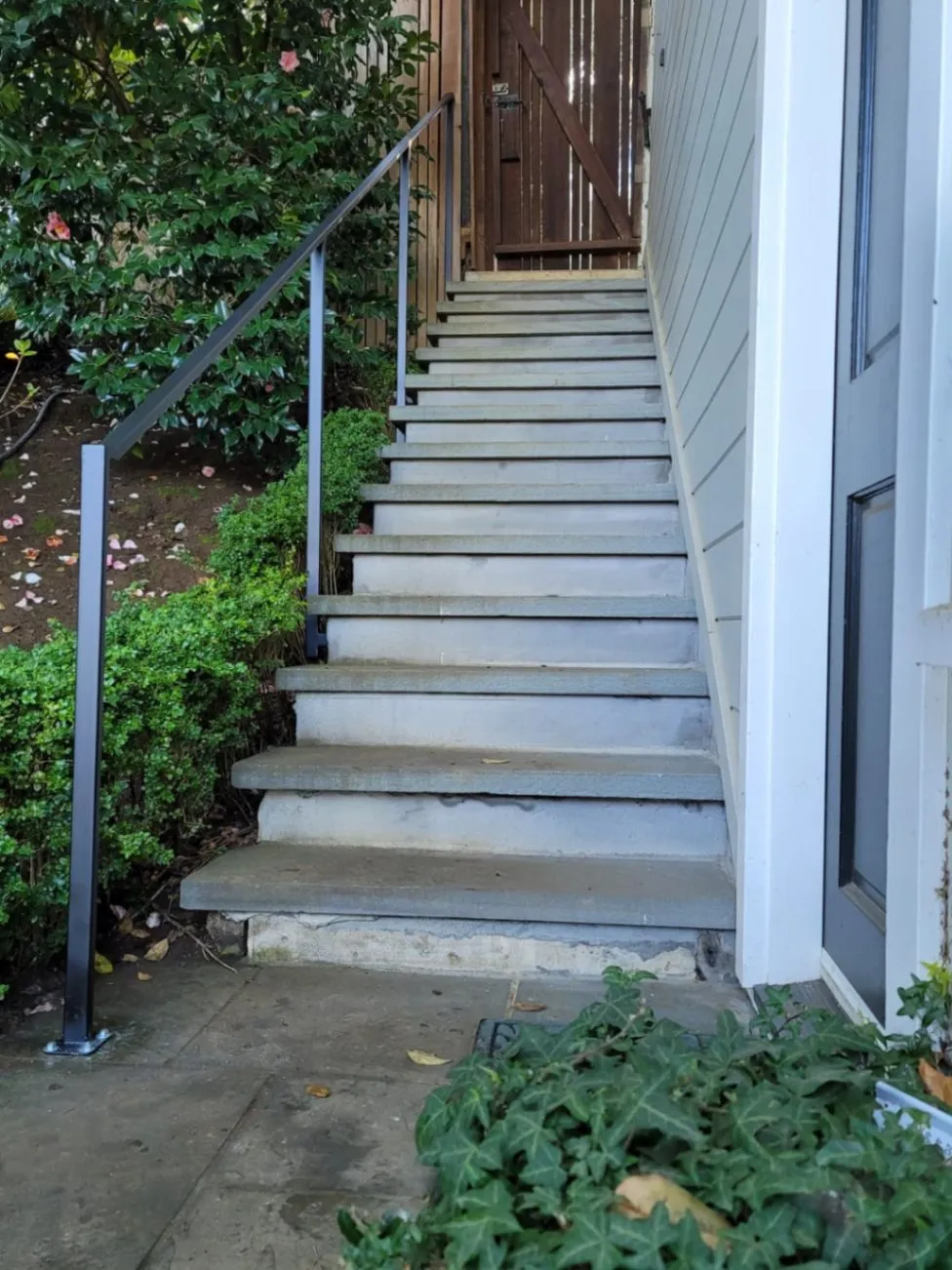
Best Plants for Your Landscape
Creating a beautiful landscape involves careful planning and the selection of the right plants. Whether you're a seasoned gardener or a beginner, choosing the best plants for your landscape can enhance the aesthetic appeal of your home and increase its value. In this comprehensive guide, we’ll explore various types of plants suitable for different landscape designs, ensuring you have the knowledge to make informed decisions.
Understanding Your Landscape
Before selecting plants, it's essential to assess your landscape's characteristics, including:
- Climate zone
- Soil type and drainage
- Sunlight exposure
- Existing vegetation
- Water availability
Top Plant Choices for Different Landscapes
1. Perennial Plants
Perennials are a favorite among gardeners due to their longevity and variety. They come back year after year, providing consistent color and texture.
- Echinacea (Coneflower)
- Lavender
- Sedum
- Hostas
- Daylilies
2. Shrubs
Shrubs add structure to your landscape and can serve as privacy screens or decorative accents.
- Boxwood
- Hydrangea
- Azalea
- Rhododendron
- Barberry
3. Trees
Including trees in your landscape design provides shade, beauty, and habitat for wildlife. Choose trees based on your space and climate.
- Maple
- Oak
- Cherry Blossom
- Dogwood
- Crape Myrtle
4. Annuals
Annuals are perfect for adding vibrant colors to your landscape, as they bloom all season long but need to be replanted each year.
- Petunia
- Marigold
- Zinnia
- Begonia
- Snapdragon
5. Groundcovers
Groundcovers are low-growing plants that can help control erosion, suppress weeds, and fill in bare spots in your landscape.
- Creeping Thyme
- Pachysandra
- Ajuga
- Sedum
- Vinca Minor
Designing Your Landscape
When designing your landscape, consider the following tips:
- Plan for seasonal interest with a variety of plants.
- Group plants with similar water and light requirements.
- Use height and texture variations to create visual interest.
- Incorporate hardscaping elements like paths and patios.
Maintenance Tips for Your Landscape
To keep your landscape thriving, regular maintenance is essential. Here are some key practices:
- Water deeply and less frequently to encourage deep root growth.
- Mulch around plants to retain moisture and suppress weeds.
- Prune dead or diseased branches to promote healthy growth.
- Fertilize as needed based on soil tests.
Conclusion
Selecting the best plants for your landscape requires careful consideration of your environment and personal preferences. By understanding the different types of plants available and incorporating them thoughtfully into your design, you can create a beautiful and sustainable outdoor space. Remember, a well-planned landscape not only enhances your home's beauty but also contributes to the local ecosystem, providing habitats for wildlife and improving air quality.